

Container houses from China can be a smart sourcing option for buyers who want to reduce project costs, shorten delivery time, and access flexible modular building solutions for housing, resorts, farms, and commercial use. But for many first-time buyers, the process still feels risky.
Common concerns are easy to understand. Will the supplier be reliable? Will the unit meet local requirements? What documents are needed? What is the real landed cost after shipping, customs, inland delivery, crane, foundation, and installation?
This guide explains how to import an expandable container house, folding container house, or prefab container home from China step by step. This guide explains how to import an expandable container house, folding container house, or prefab container home from China step by step. It is written for wholesalers, developers, resort owners, contractors, and individual buyers across international markets.
Table of Contents
- Why More Buyers Import Container Houses from China
- Step 1: Define What Type of Container House You Need
- Step 2: Verify That the Supplier Is a Real Factory and a Safe Trading Partner
- Step 3: Confirm Drawings, Standards, and Technical Details Before Production
- Step 4: Understand the Full Landed Cost, Not Just the Factory Price
- Step 5: Control Quality During Production, Not Only After It
- Step 6: Prepare Shipping Documents Correctly
- Step 7: Plan Customs Clearance, Inland Delivery, and Site Conditions Before the House Arrives
- Common Mistakes First-Time Buyers Make
- Country-Specific Import Considerations
- Why Many Buyers Choose YJD House
- FAQ
- Final Thoughts
- Get a Quote from YJD House
Why More Buyers Import Container Houses from China
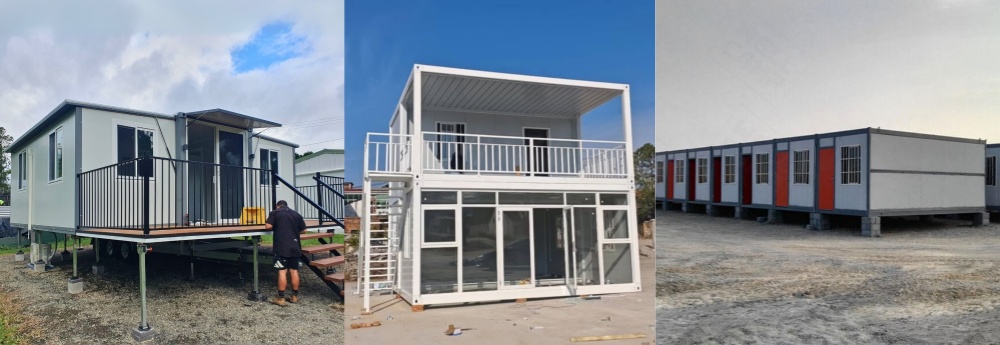
China remains one of the most practical sourcing bases for modular and prefab housing because it combines manufacturing capacity, customization flexibility, and competitive pricing. For buyers comparing local construction with imported modular units, the difference is often not only price, but also speed and control.
A professional Chinese supplier can usually help buyers with:
- multiple product types, including expandable container house, foldable container homes, flat pack containers, and other modular units
- flexible layout customization for residential or commercial use
- factory-based production with photos, videos, and pre-shipment checks
- export paperwork and shipping coordination
- installation manuals, remote support, and after-sales parts supply
That said, importing successfully is not just about finding a low factory price. It is about managing specifications, documents, standards, logistics, and expectations correctly from the beginning.
Step 1: Define What Type of Container House You Need
Before you request a quote, you need to define the product clearly. Many sourcing problems begin because the buyer says “container house” when they actually needs a very specific type of modular unit.
Choose the Right Product Type
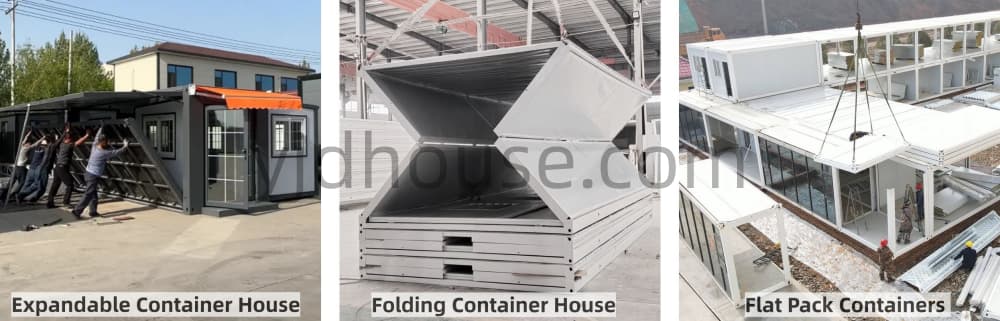
In most projects, buyers compare three common options.
Expandable Container House
This is one of the most popular choices for buyers who want faster deployment, larger usable interior space after unfolding, and a layout that feels more practical for everyday living. Depending on the model, it can expand from a compact footprint of just over 10 square meters to about 37 square meters, or even up to 76 square meters in larger configurations. It is often selected for granny flats, farm housing, resort units, temporary housing, and backyard applications.
Folding Container House / Foldable Container Homes
This type focuses more on compact transport and fast setup. During installation, the main structure is typically lifted by crane and unfolded on site, which makes the setup process relatively quick and efficient. It is widely used in labor camps, temporary offices, emergency housing, and budget-sensitive projects.
Flat Pack Containers / Container House Kit
A flat pack system is designed for efficient shipping and fast on-site assembly. With the roof frame and floor base pre-installed in the factory for export, the site work is usually simpler and quicker than fully loose-built systems. It is often suitable for offices, dormitories, site camps, classrooms, and projects where modular repetition is important.
If your project is for living use, resort use, or a more complete residential setup, an expandable container house is often the strongest option. If you need compact shipping and fast deployment for temporary use, a folding container house may be more suitable. If you need scalable camp-style construction or repeated units, a container house kit or flat pack solution may be the better match.
Confirm Layout and Basic Configuration

A serious supplier will not quote accurately until the project requirements are clear. For example, YJD House typically confirms the following before final quotation.
Exterior Details to Confirm
- wall panel color
- frame color
- entrance door type
- window type
Interior Details to Confirm
- number of bedrooms and living areas
- whether a bathroom is needed
- whether a separate shower room is needed
- whether cabinets are needed
- whether vinyl flooring is needed
- which country electrical standard is required
This step is critical. A buyer asking for “one 20ft prefab container home” without clarifying layout, bathroom, electrical standard, or window type will usually receive only a rough base quotation, not a real project price.
Step 2: Verify That the Supplier Is a Real Factory and a Safe Trading Partner
The first fear many new buyers have is simple: losing money.
That concern is valid. A low price means very little if the supplier is unreliable, disappears after payment, or delivers a unit that does not match the agreement.
A safer approach is to work with a real factory or factory-based one-stop supplier that can provide transparent communication, production evidence, and formal transaction options.
Check How the Supplier Handles Payment Security
A professional supplier should be able to discuss payment clearly and confidently. YJD House supports payment methods such as:
- T/T
- Alibaba Trade Assurance
- MIC
- L/C
A common term is 30% deposit and 70% before shipment, with support for balance payment after inspection confirmation. For first-time buyers, this matters a lot. Using formal platforms and documented payment terms reduces risk and gives both sides a clearer process.
Ask for Real Production Evidence
Before and during production, buyers should ask for:
- factory photos
- production photos
- production videos
- finished product photos
- loading photos
- loading videos
- live or recorded inspection videos
A reliable supplier should not be afraid of transparency. In fact, a good supplier will usually provide it as part of the normal workflow.
Step 3: Confirm Drawings, Standards, and Technical Details Before Production
This is one of the most overlooked parts of importing from China. Many problems that appear at the destination actually begin before production starts.
A professional process should include confirmation of:
- floor plan
- electrical drawings
- plumbing drawings
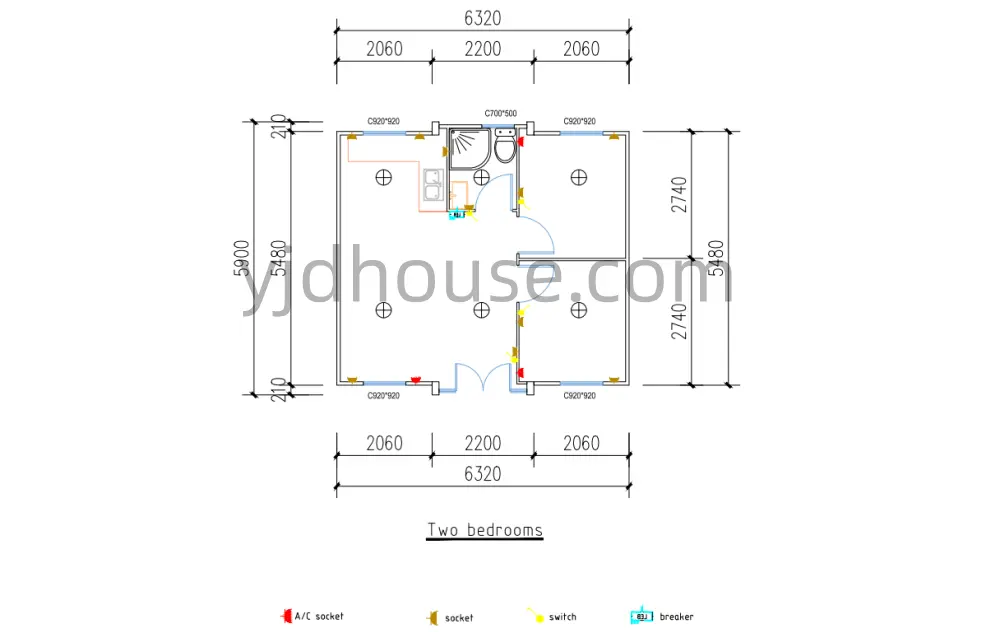
Without this step, the buyer may receive a unit with the wrong room layout, incorrect socket system, unsuitable plumbing arrangement, or a specification that does not fit local conditions.
Ask for Real Technical Data, Not Just Marketing Claims
If you are buying an expandable unit, request actual technical parameters. For example, a 20ft expandable model may include data such as folded size, expanded size, interior size, approximate weight, frame steel grade, wall panel thickness, door type, and window configuration.
A serious supplier should be able to explain points such as:
Structure and Materials
- frame material, such as Q235 galvanized steel
- wall and roof panel thickness
- insulation options like EPS, PU, or rock wool
Country-Specific Customization
- country-specific electrical configuration
- standard door and window specifications
- what is pre-installed and what is not
This is especially important when comparing collapsible container homes, foldable container homes, and prefab container home offers from multiple suppliers. If one quotation is much lower than another, it is often because materials, insulation, waterproofing, doors, windows, or electrical scope are not actually the same.
Step 4: Understand the Full Landed Cost, Not Just the Factory Price
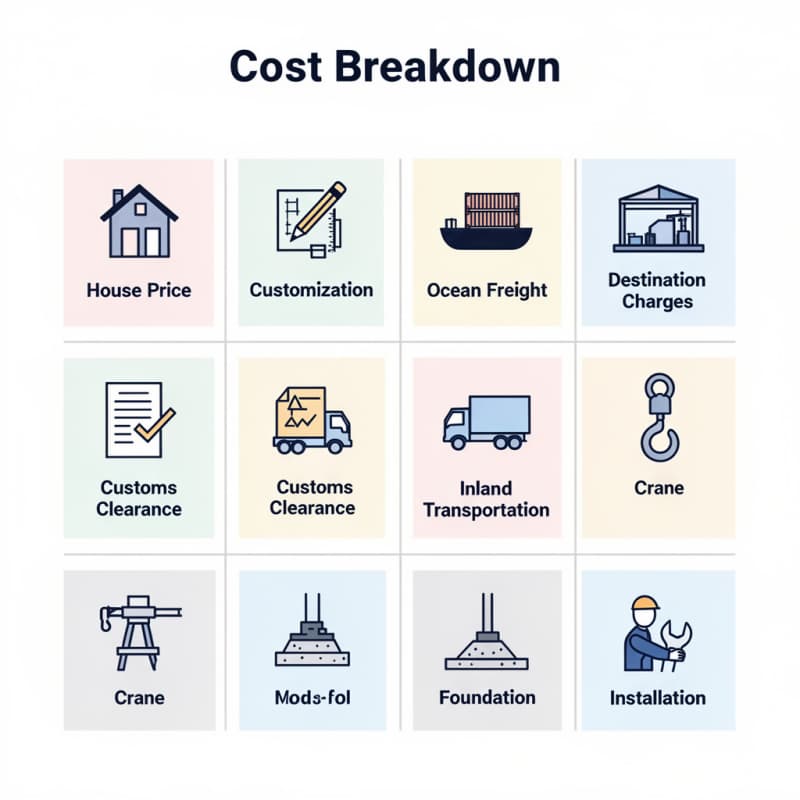
One of the biggest importing mistakes is focusing only on the house price.
The factory price is only one part of the total cost. Buyers should always calculate the full landed cost before placing an order.
For an imported expandable house, the total cost may include:
- house unit price
- customization cost
- ocean freight
- destination port charges
- customs clearance fees
- inland transportation
- crane cost
- foundation cost
- installation cost
This is where experienced buyers think differently from beginners. A supplier offering a slightly higher unit price but better packing efficiency, stronger waterproof detailing, clearer documentation, and more reliable pre-installation work may actually save much more money overall.
For example, a 20ft expandable unit may allow more efficient container loading than larger models, while a 40ft model usually requires a larger shipping footprint. That affects freight cost directly.
Step 5: Control Quality During Production, Not Only After It
Good importing is not passive. Buyers should stay involved during production.
At YJD House, the normal process includes confirming drawings before production, sharing production photos and videos during manufacturing, and sending finished photos and videos for buyer confirmation after completion.
Confirm Testing Before Shipment
A very important question to ask is whether the house is tested before shipment.
For export projects, pre-shipment checking should include at least a practical confirmation of the electrical and plumbing system where applicable. YJD House also supports factory video inspection, which helps remote buyers reduce uncertainty before final payment.
This matters because a buyer should not discover wiring issues, plumbing mismatches, or missing accessories only after the unit reaches the destination country.
Step 6: Prepare Shipping Documents Correctly
Documentation mistakes can delay customs clearance, create port storage charges, or even affect the release of cargo.
Before shipment, the buyer should confirm the Bill of Lading draft carefully. In particular, the supplier needs the correct details for the Consignee and Notify Party so export and shipping documentation can be prepared accurately.
These details typically include:
- company name
- address
- contact person
- telephone
- tax number
After shipment, the standard export documents may include:
- Commercial Invoice
- Packing List
- Bill of Lading
- Certificate of Origin
- Insurance
Do not treat this as a formality. One wrong company name, tax number, or address on the shipping documents can cause expensive delays.
Step 7: Plan Customs Clearance, Inland Delivery, and Site Conditions Before the House Arrives
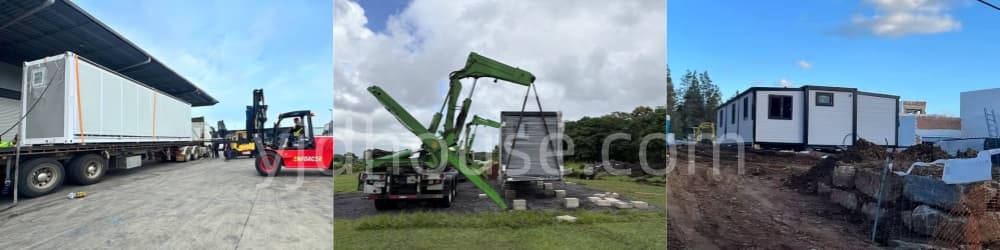
Many buyers focus so much on production and shipping that they forget the local side of the project.
Before the container house arrives, confirm the following:
- who will handle customs clearance
- who will arrange inland transportation from port to site
- whether the access road is suitable for delivery
- whether a crane is needed
- whether the site foundation is ready
- whether power and water connections are prepared
- whether local labor is ready for unloading and installation
A supplier can support this process more effectively if the buyer provides project information early. YJD House can provide a foundation diagram, installation manual, installation videos, and unloading guidance to help buyers prepare before arrival.
Common Mistakes First-Time Buyers Make
The most common importing problems are not random. They usually come from a small number of predictable mistakes.
Only Comparing Factory Prices
A low price can hide weaker materials, missing accessories, poor waterproof detailing, or incomplete electrical scope.
Ignoring Local Approval Requirements
This is especially risky in Australia, the United States, New Zealand, and parts of Europe.
Not Confirming Electrical and Plumbing Standards
The house may arrive with the wrong configuration for the destination country.
Not Asking What Is Pre-Installed
Some buyers assume everything is included, but actual scope may vary by supplier and product type.
Not Confirming Packing Plan and Loading Quantity
Freight efficiency affects the real landed cost.
Waiting Too Late to Prepare Customs Documents
Simple documentation errors can create major delays.
Not Checking Site Conditions
Access, crane space, slope, and foundation conditions all affect the final installation process.
Expecting It to Perform Like a Traditional Building in Every Way
This is a very important point. A container house is a practical modular product, not a perfect substitute for every aspect of conventional construction. Buyers should set realistic expectations regarding structure, finish level, site adaptation, and local building procedures. A well-made modular unit can perform very well for its intended use, but it should still be evaluated as a modular building system, not as a fully identical copy of traditional construction.
Country-Specific Import Considerations
Different markets require different levels of attention.
Australia
Australian buyers often pay special attention to:
- Class 1 requirements
- NCC-related approval considerations
- SAA electrical components
- WaterMark-related plumbing expectations
- approval documentation support
The safest way to present this is practical and honest: a supplier can support Australian projects with documentation preparation and component options aligned with local approval requirements, but final approval depends on local regulations, project design, and coordination between all parties.
Typical Australian applications include granny flats, farm housing, and resort projects.
United States
In the US, requirements can vary significantly by state, county, and intended use. Buyers should check local approval routes related to IBC or IRC and confirm whether the project is treated as temporary, accessory, residential, or commercial.
Typical US applications include backyard units and related small-scale modular uses.
Europe
European buyers usually focus on CE-related documentation, energy performance, and local installation requirements. They should also confirm country-specific expectations rather than assuming one European standard covers every project in the same way.
New Zealand
New Zealand buyers usually pay attention to local compliance expectations, site delivery conditions, and practical installation details. Early coordination is important.
Chile, Argentina, France, and French-Speaking Island Markets
For these markets, buyers often focus on rural housing, glamping projects, island logistics, resort use, and practical project deployment. Export experience matters because logistics, climate, and destination handling can vary a lot.
Why Many Buyers Choose YJD House
YJD House positions itself as a factory-based one-stop supplier for modular housing solutions, including expandable container house, folding container house, flat pack containers, and related prefab products.
What buyers usually value most is not just the product range, but the process support:
- quotation based on real project requirements
- floor plan, electrical drawing, and plumbing drawing confirmation before production
- production photos and videos during manufacturing
- finished product photos and videos before shipment
- support for video inspection
- payment flexibility through T/T, Alibaba Trade Assurance, MIC, and L/C
- installation drawings, installation videos, remote guidance, unloading guidance, and after-sales parts support
- experience supplying projects to Australia, the US, New Zealand, Chile, Argentina, France, and French-speaking island regions
For first-time importers, this kind of process support can be just as important as the house itself.
FAQ
Is Importing a Container House from China Safe for First-Time Buyers?
Yes, if you work with a real supplier, use formal payment methods, confirm drawings and documents carefully, and stay involved during production. For new buyers, using Alibaba Trade Assurance or MIC can add an extra layer of transaction confidence.
What Is the Safest Payment Structure for Importing?
A common arrangement is 30% deposit and 70% before shipment. Some suppliers also support final balance payment after inspection confirmation. The key is to make sure all specifications, drawings, and shipping terms are clearly documented.
What Documents Are Usually Provided After Shipment?
Typical export documents include Commercial Invoice, Packing List, Bill of Lading, Certificate of Origin, and Insurance documents.
What Should I Confirm Before Production Starts?
You should confirm the floor plan, electrical drawings, plumbing drawings, doors, windows, layout, bathroom scope, flooring, and destination-country electrical standard.
Do Container Houses Always Meet Local Building Approval Automatically?
No. Approval depends on local regulations, project type, documentation, and coordination between the buyer, supplier, and local professionals. This is especially important in Australia, the US, New Zealand, and Europe.
What Is the Biggest Mistake New Buyers Make?
The biggest mistake is focusing only on the factory price. The real decision should be based on landed cost, compliance readiness, specification clarity, shipping plan, and supplier reliability.
Final Thoughts
Importing a container house from China is not complicated when the process is managed correctly. The real key is not chasing the cheapest number. It is choosing the right product, confirming the right specifications, understanding the real landed cost, preparing the right documents, and working with a supplier that communicates clearly from quotation to shipment.
Whether you are sourcing an expandable container house for a resort project, a folding container house for temporary housing, or a container house kit for camp-style development, careful planning will save more time and money than any bargain quote ever will.
Get a Quote from YJD House
If you are planning to import a container house from China and want a quotation based on your real project requirements, YJD House can help.
Send your project details, preferred house type, destination country, and layout requirements to receive a more accurate proposal for your project.

